
Advantages and Disadvantages of Online Banks Compared to Traditional Banks
Understanding the Dynamics of Online Banking
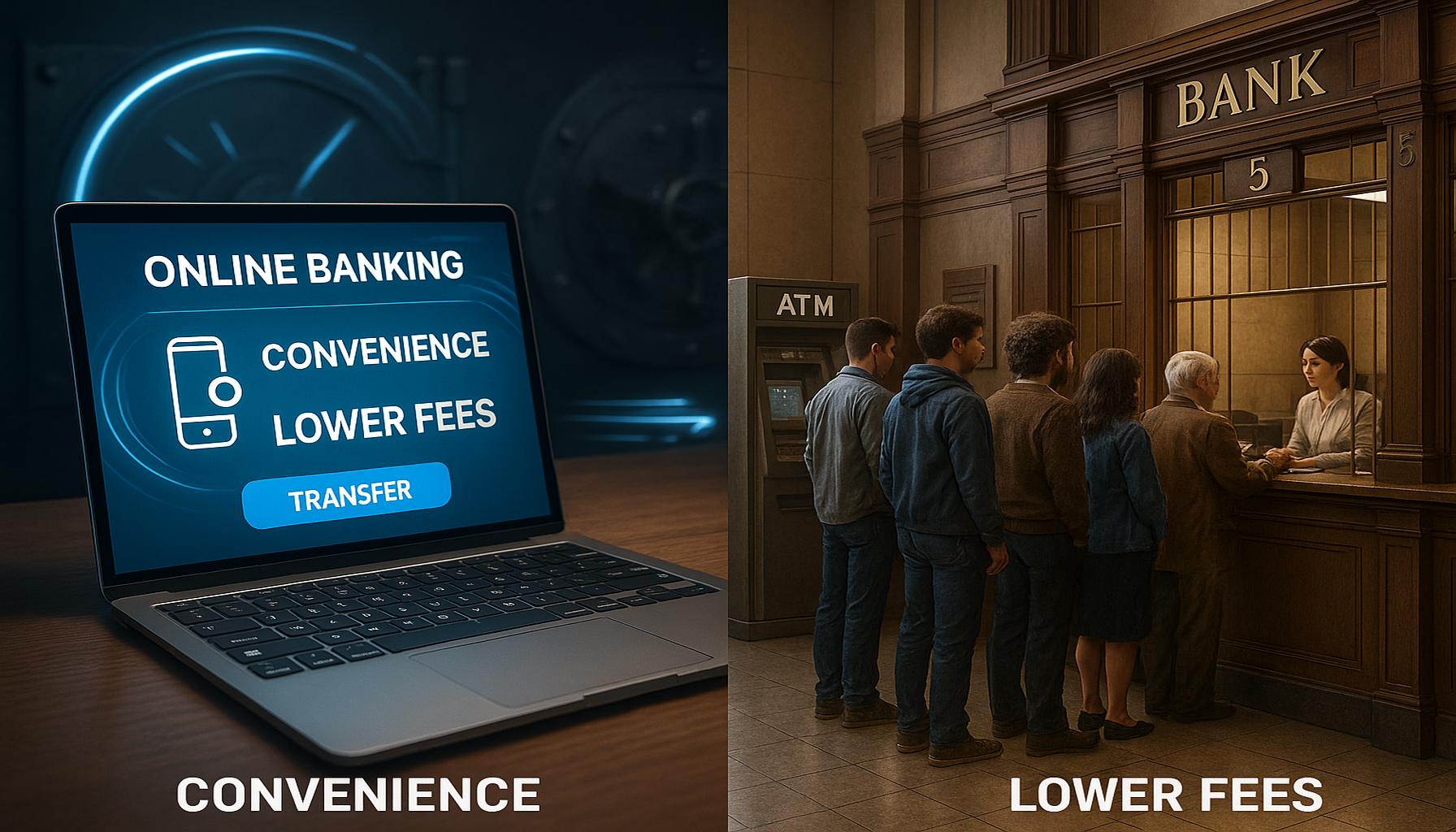
In a world where technology is intertwined with daily life, managing finances has become more intuitive and streamlined. Gone are the days of having to wait in long lines at the bank just to access your funds or make a transfer. The emergence of online banking offers unprecedented convenience, allowing users to manage their financial activities anytime and anywhere. However, amidst these advantages, it’s crucial to consider both the upsides and the downsides of this digital banking landscape.
Advantages of Online Banking
One of the primary benefits of choosing an online bank is the lower fees associated with their services. Conventional banks often impose hefty charges for account maintenance, ATM withdrawals, and other transactions. In contrast, many online banks operate with minimal overhead costs, allowing them to provide competitive rates or even eliminate fees altogether. For example, a customer at an online bank may find that they can save hundreds of dollars a year compared to traditional banks by avoiding monthly maintenance charges.
Another appealing advantage is the accessibility offered by online banking. Customers enjoy the freedom to access their accounts 24/7 using just a smartphone or computer, whether they are at home or on the go. Transactions can be completed in mere seconds, from paying bills to transferring funds, thus empowering users to stay in control of their finances at their convenience.
Furthermore, the advanced technology provided by online banks often includes features such as easy budgeting tools, spending trackers, and even personalized financial advice at your fingertips. Many apps now use artificial intelligence to analyze spending habits, helping users to make better financial decisions while keeping track of their budgets effortlessly.
Challenges of Online Banking
Despite these benefits, there are inherent challenges to consider. The limited personal interaction with online banks can make it difficult for some individuals to feel connected to their financial institution. For customers who value face-to-face communication, the absence of a physical location can evoke a sense of isolation, particularly when facing complex financial issues.
Moreover, many online banks might not provide comprehensive services that traditional banks offer, such as wealth management or specialized loan products. This limitation can be crucial for individuals looking for tailored financial solutions that go beyond basic banking services.
Lastly, security concerns loom large in the digital realm. Online banking does come with risks, including the potential for identity theft, fraud, and data breaches. It is imperative for consumers to stay informed and practice good online security habits, such as using strong passwords and two-factor authentication, to protect their financial information from malicious acts.
As you embark on your financial journey, having a well-rounded understanding of both the benefits and challenges associated with online banking will empower you to make informed decisions. Seek a banking solution that does not only cater to your convenience but also aligns with your long-term financial goals. Choose wisely, and take charge of your financial future with confidence!
Weighing the Benefits and Drawbacks
As we delve deeper into the realm of banking, it becomes increasingly important to recognize both the advantages and disadvantages posed by online banks compared to traditional institutions. This understanding allows us to make informed decisions that align with our personal financial strategies. Let’s explore these aspects to gain a clearer perspective.
Advantages of Online Banks
The allure of online banks continues to grow, especially for those keen on savings and convenience. Here are some of the standout benefits:
- 24/7 Accessibility: Online banking provides users with uninterrupted access to their financial accounts. Whether it’s early morning or late at night, customers can manage their money without being constrained by banking hours.
- Cost-Effective Services: With fewer overhead costs to maintain physical branches, online banks are often able to offer lower fees and better interest rates on savings accounts. This means more money stays in your pocket, allowing you to prioritize your savings and investments.
- Real-Time Transaction Updates: Users benefit from instantaneous notifications of transactions, empowering them to monitor their spending patterns and quickly identify any unauthorized activities.
- Innovative Features: Online banks frequently enhance their platforms with cutting-edge technology. Features like personalized dashboards, automated savings tools, and expense categorization offer users insights into their financial habits that can lead to smarter money management.
However, amidst these compelling advantages, one must also acknowledge the challenges associated with online banking.
Challenges Faced With Online Banking
While the convenience of online banking is enticing, there are notable disadvantages to keep in mind:
- Lack of Personal Interaction: The absence of physical branches can lead customers to feel disconnected from their bank. For many people, having a knowledgeable representative to discuss complex matters is invaluable.
- Limited Services: Some online banks may not offer the same breadth of services as their traditional counterparts. For instance, clients seeking investment advice or complex loan products may find themselves at a disadvantage.
- Security Issues: Despite improvements in technology, online banking is not immune to cyber threats. Consumers must remain vigilant and ensure robust security protocols are in place to protect their sensitive information.
By thoughtfully considering these advantages and challenges, consumers can make strategic choices when selecting a banking solution that suits their lifestyle and financial aspirations. Knowledge is a powerful tool that can lead to better financial well-being—one that allows you to navigate the intricacies of banking with confidence and security.
Key Considerations for Choosing Your Banking Path
As we navigate the choice between online banks and traditional banks, various factors come into play that may resonate differently with each individual. Understanding these elements can empower you to forge a banking relationship that truly meets your needs and goals.
A Diverse Array of Options
In the landscape of modern finance, the innovation stemming from the digital age has led to an impressive assortment of banking products. Online banks are now catering to niche markets that traditional banks might overlook. For example, specific online banks focus exclusively on high-yield savings accounts or are tailored for small business owners. This diversification can yield opportunities for consumers to find tailored solutions that traditional banks often cannot provide at comparable rates.
Time Efficiency
Time is a precious commodity, and online banking thrives in its ability to save it. With streamlined applications and processes, virtually all banking activities can be completed within minutes, allowing users to manage their finances on their own schedule. Whether you’re depositing checks using a mobile app or setting up automatic payments, online banks allow for quick and seamless transactions. This efficiency accommodates not just the young tech-savvy individuals, but also busy professionals and families whose time is limited by various commitments.
Financial Education and Resource Availability
Another presenting advantage of many online banks is the emphasis on financial education. Many online platforms incorporate resources such as articles, tutorials, and webinars aimed at helping customers understand personal finance. This educational component equips users with knowledge that can lead to more informed decisions about managing debt, saving for retirement, and investing wisely. Some traditional banks may offer in-person seminars, yet they often lack the convenience and accessibility that online platforms provide. The empowerment derived from being better informed can foster a sense of financial independence.
Potential Drawbacks of Online Banking Platforms
Despite the multitude of advantages that online banks present, it is crucial to remain aware of certain limitations. For example, while many online institutions offer competitive rates, the absence of brick-and-mortar locations can make it challenging for customers who need immediate assistance for complex issues. Waiting for customer service via chat or phone for an extended period can be frustrating compared to the face-to-face interactions available at traditional banks.
Additionally, while many clients prioritize lower fees and higher rates, they must also consider potential hidden costs associated with certain online services. It’s essential to thoroughly review the fee structures, as some online banks may impose charges for specific transactions, such as wire transfers or international payments.
Finally, the emotional connection users have with their bank shouldn’t be ignored. For those who value personal touch and relationships built over time, online banking may seem impersonal. The lack of human interaction can create feelings of isolation, particularly when major life events or financial decisions arise where guidance is essential.
The decision between an online bank versus a traditional bank is a personal one, shaped by each individual’s unique lifestyle and financial situation. Taking the time to weigh these considerations can be transformative in creating a more rewarding and engaged banking experience.
Conclusion
In an era where financial landscapes are rapidly evolving, the choice between online banks and traditional banks has significant implications for your financial journey. Both banking methods come with their own distinct advantages and disadvantages, and understanding these can empower you to make a well-informed decision. Online banks stand out with their lower fees and higher interest rates, making them an attractive option for those looking to maximize their savings. The convenience of conducting banking activities anytime, anywhere, coupled with valuable resources for financial education, can enhance your overall experience and knowledge in managing finances.
However, the absence of in-person support at online banks may raise challenges, particularly for individuals who value personalized service and immediate assistance. As you consider your options, it’s essential to reflect on what aspects of banking matter most to you—be it cost, convenience, or emotional connection. You must weigh these factors thoughtfully, remembering that your banking relationship is not merely a transactional one; it is an ongoing partnership that can shape your financial health.
Ultimately, the best choice hinges on your unique lifestyle, preferences, and financial goals. Whether you lean towards the traditional or the modern approach, being a proactive and informed consumer ensures you can obtain the support you need on your financial journey. Embrace the options available to you and embark on your path to financial empowerment, knowing that the right banking choice is one that aligns with your aspirations and values.
Related posts:
Low-risk investments with good returns for retirement
How to choose a safe and reliable digital bank in the USA
Main precautions when using online banks for financial transactions
How to make money in the USA working from home with profitable ideas
Impact of Interest Rates on Online Bank Accounts: What to Expect in 2023
How Online Banks Are Transforming the Personal Loan Landscape

Linda Carter is a writer and financial consultant specializing in economics, personal finance, and investment strategies. With years of experience helping individuals and businesses make complex financial decisions, Linda provides practical analyses and guidance on the AsanTime platform. Her goal is to empower readers with the knowledge needed to achieve financial success.