
Online Banks and Financial Inclusion: An Analysis of Opportunities for Underserved Communities
The Transformative Role of Digital Financial Solutions
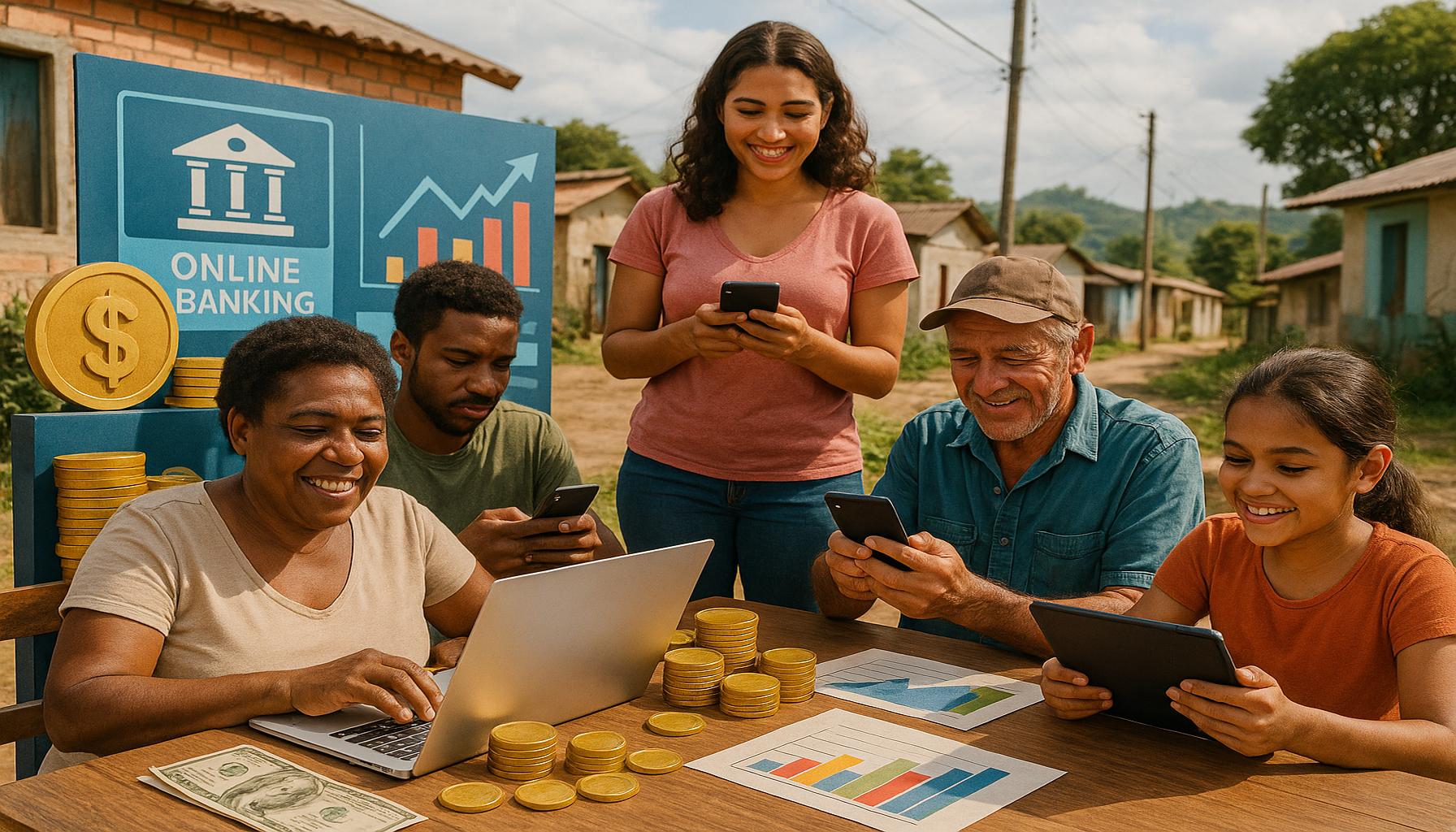
In today’s fast-paced world, the evolution of financial services is a testament to the power of innovation. Online banks are revolutionizing the way we think about money management, especially for those in underserved communities across the United States. With the elimination of traditional barriers, these digital platforms not only offer convenient banking solutions but also foster an environment ripe for lasting change.
One of the most significant advantages of online banking is its incredible accessibility. Imagine being able to check your account balance, transfer funds, or make payments from the comfort of your home, café, or even while commuting on the bus. For many individuals who have previously struggled to reach a physical bank due to geographical distance or mobility issues, this is a game changer. According to a recent study, areas with limited access to brick-and-mortar banks often see increased rates of financial insecurity. Online banking can effectively bridge this gap.
Another profound benefit is the lower fees associated with online banks. Because these institutions do not bear the hefty overhead costs of maintaining physical locations, they can pass the savings onto consumers. This means fewer monthly maintenance fees, free ATM access, and better interest rates on savings accounts. For instance, consumers may find a high-yield savings account with an online bank that offers interest rates that can be significantly higher than those offered by traditional banks. This simple shift can help families save more effectively and reach their financial goals quicker.
Furthermore, online banking platforms often incorporate innovative tools designed to enhance financial literacy. Users typically have access to budgeting software, expense trackers, and financial education resources right at their fingertips. This empowerment is crucial; knowledge is a pathway to making informed decisions about spending, saving, and investing. By utilizing these resources, individuals are not just managing their finances—they are transforming their financial habits and building a more secure future.
Despite the benefits, it is essential to recognize that many still face challenges in achieving financial health. For millions in the U.S., the scars of economic disparity run deep. However, the rise of online banking offers a glimmer of hope. By harnessing technology and embracing digital solutions, we can create a more inclusive financial system that opens doors for those who have been historically marginalized.
As we delve deeper into the capabilities of online banking, it becomes evident that change isn’t just a distant dream; it is a reality waiting to unfold. Let us come together to champion these innovations and ensure that everyone, regardless of their background, has the opportunity to thrive financially. Empowerment through knowledge and access can indeed pave the way for a brighter, more equitable future.
Empowering Communities Through Access and Innovation
The advent of online banking has fundamentally transformed how people interact with their finances, presenting unique opportunities particularly for underserved communities in the United States. For many individuals residing in remote or economically challenged areas, the ability to access banking services online signifies more than just convenience; it represents a crucial first step towards financial empowerment.
One critical aspect of this shift is the profound accessibility provided by online banks. Traditional banking often requires individuals to travel considerable distances to reach physical branches, which can be a significant challenge for those without reliable transportation. Online banks break down these geographical barriers, allowing users to manage their finances from virtually anywhere. This newfound accessibility enables individuals to conduct essential banking transactions, such as:
- Opening accounts: Individuals can establish savings or checking accounts with ease, often with minimal initial deposits.
- Making payments: Bills and other expenses can be paid quickly and efficiently, reducing the risk of late fees.
- Accessing funds: Instant transfers and withdrawals eliminate the need to visit ATMs, which may be far away.
Furthermore, online banks frequently offer lower costs compared to their brick-and-mortar counterparts. With reduced operational expenses, these digital institutions are able to provide competitive fee structures to their customers. This is especially beneficial for individuals who have historically faced barriers due to high banking fees. By eliminating or significantly reducing monthly fees, overdraft charges, and minimum balance requirements, online banks are actively promoting greater financial stability among their users. The potential savings can have a dramatic impact on family finances—allowing individuals to allocate more resources towards education, homeownership, or even retirement savings.
Additionally, the role of technology in enhancing financial literacy cannot be overstated. Many online banks integrate educational resources and interactive tools that help users understand key financial concepts—such as budgeting, investing, and saving. With just a few clicks, individuals can access workshops, webinars, and articles that empower them to make informed decisions. This level of engagement encourages a proactive approach to personal finance, equipping underserved communities with the knowledge they need to break the cycle of financial instability.
Moreover, these banking platforms contribute to community development beyond individual financial health. By promoting responsible lending practices and offering targeted programs to assist low-income families, online banks can nurture local economies. Community members can gain access to small loans for businesses or educational endeavors, fostering a culture of growth and self-sustainability.
The positive implications of online banking for underserved communities are clear. By providing accessible financial services, reducing costs, and enhancing financial literacy, these innovative platforms are not only reshaping banking but also supporting the march towards equitable financial inclusion. As we explore this vital trend, we reveal the potential of online banks to ignite sustainable change, ensuring that everyone has the opportunity to build a brighter financial future.
Building Trust and Fostering Relationships
At the heart of financial inclusion lies the vital element of trust. Many individuals from underserved communities have historically had negative experiences with traditional banking institutions, often feeling disconnected or marginalized by systems that fail to meet their unique needs. Online banks can address these sentiment barriers by prioritizing customer engagement and establishing authentic relationships through enhanced communication strategies.
With user-friendly interfaces, online banks create an inviting atmosphere for individuals who may be apprehensive about banking. These platforms often feature customizable experiences, allowing users to tailor their financial journeys to meet personal preferences. This level of personalization enhances not only customer satisfaction but also fosters a sense of ownership over one’s financial well-being. As consumers become more comfortable navigating their financial futures, they are empowered to embark on a journey toward greater financial independence.
Moreover, the ability to readily access customer support via chat functions, emails, or mobile apps supports a more seamless and supportive banking experience. Providing guidance and addressing inquiries quickly helps build confidence in financial decisions. Many online banks have begun to offer services in multiple languages, ensuring that diverse communities can fully access financial resources while feeling understood and acknowledged.
Another crucial component in the fight for financial inclusion is the commitment of online banks to inclusive credit practices. By analyzing data and understanding the unique financial behaviors of underserved populations, these institutions can offer tailored loan products designed to stimulate economic mobility. For instance, some online banks have initiated programs that focus on micro-lending, allowing individuals or small businesses to acquire small loans that may have previously been unattainable. This access can provide a critical boost to those looking to invest in education, start businesses, or further their careers.
Additionally, online banks are becoming trailblazers in ethical banking practices, supporting initiatives that promote sustainable development and social responsibility. By investing in local projects, educational programs, and affordable housing, these institutions contribute directly to the communities they serve. This commitment not only enhances the collective financial health of underserved communities but also builds a robust foundation for future generations.
The potential for online banks to spark change extends beyond individual financial capabilities. By fostering a culture of collaboration among community organizations, these institutions can strengthen local networks and support systems. Partnerships with non-profits and educational institutions create valuable resources, such as financial workshops and entrepreneurial training, that resonate deeply within local contexts. These efforts serve to amplify the impact of online banking by addressing the broader challenges that communities face collectively.
As the landscape of finance continues to evolve, utilizing the resources made available through online banks will enable underserved communities to take charge of their futures. Through relationship-building, ethical lending practices, and community-focused initiatives, these innovative institutions are uniquely positioned to enrich lives and promote lasting change. The journey towards financial inclusion is one of empowerment, and online banks are leading the way for underserved populations to thrive and succeed.
Conclusion
In an era where financial landscapes are rapidly transforming, online banks emerge as pivotal players in fostering financial inclusion for underserved communities. By leveraging technology to create accessible, user-friendly platforms, these banks not only break down barriers to financial services but also pave the way for empowerment. They provide individuals with the tools to manage their finances effectively, cultivate savings habits, and elevate their economic standing, contributing to their aspirations of achieving financial independence.
The commitment of online banks to transparency, personalized support, and ethical lending practices serves as a model for redefining the relationship between financial institutions and consumers. As they prioritize building trust and fostering long-term relationships, online banks stand ready to support communities in navigating the complexities of financial decision-making. Initiatives such as micro-lending and community partnerships not only address immediate financial needs but also lay the groundwork for sustainable growth and development.
Ultimately, the journey toward financial inclusion is not just about accessing money but about the empowerment that comes from being part of a supportive financial ecosystem. Online banks unlock pathways to opportunity, enabling underserved populations to rewrite their financial narratives. To truly realize this potential, we must encourage these institutions to continue innovating and to advocate for policies that further promote inclusion. Together, we can forge a future where everyone has the opportunity to thrive and succeed, turning dreams into realities through informed and responsible financial actions.
Related posts:
How to choose the best digital account for students and young adults.
Advantages and Disadvantages of Online Banks Compared to Traditional Banks
Main precautions when using online banks for financial transactions
Online banks in the USA that offer no annual fee credit cards
How Online Banks Are Transforming the Personal Loan Landscape
The best online bank accounts with exclusive benefits

Linda Carter is a writer and financial consultant specializing in economics, personal finance, and investment strategies. With years of experience helping individuals and businesses make complex financial decisions, Linda provides practical analyses and guidance on the AsanTime platform. Her goal is to empower readers with the knowledge needed to achieve financial success.