
The Evolution of Financial Management Tools Offered by Online Banks
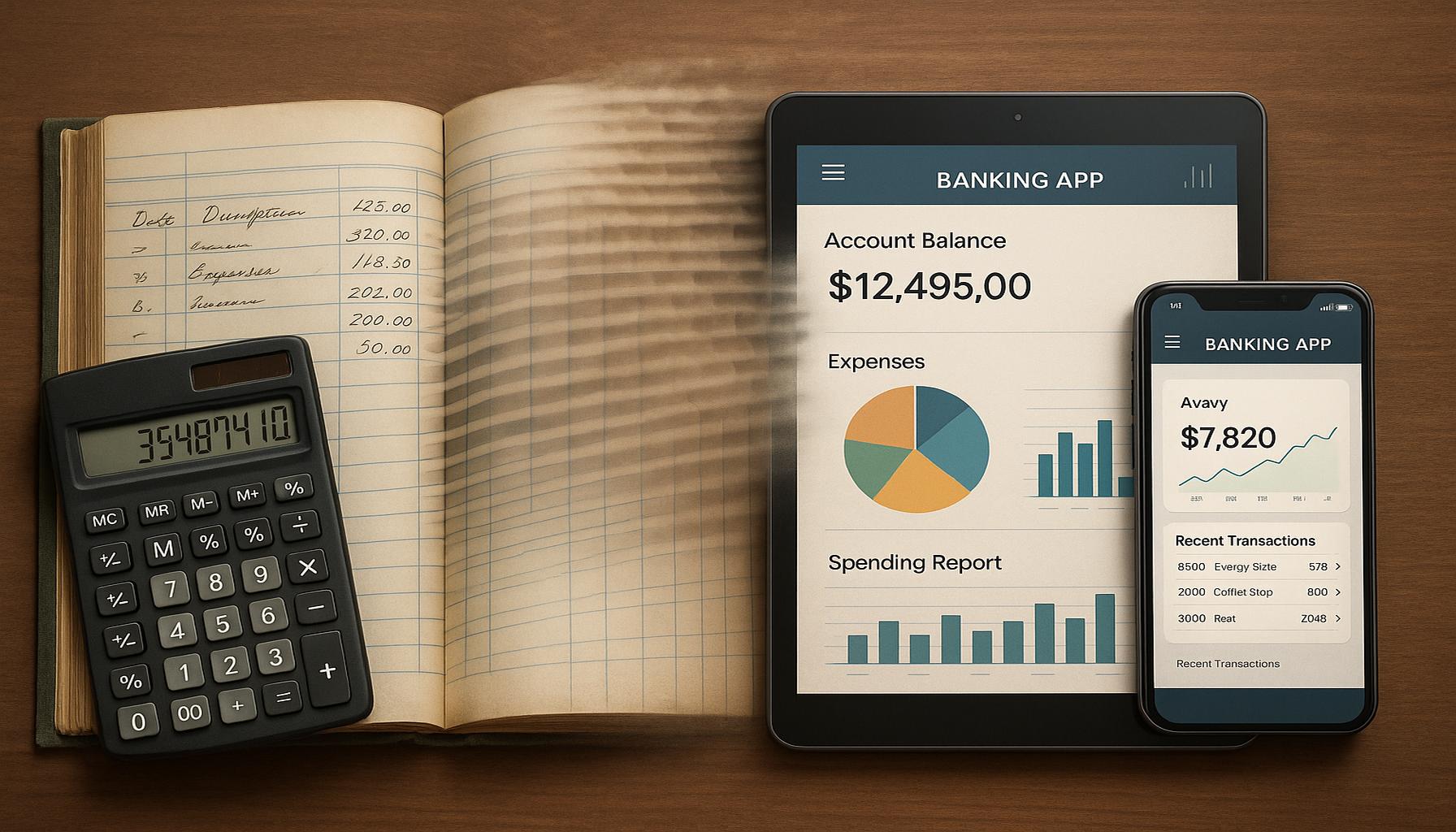
The Digital Financial Revolution
As consumers navigate the complexities of modern life, managing finances can often feel overwhelming. Fortunately, online banks are not just stepping in to make life easier; they are revolutionizing how we handle our financial responsibilities. By providing cutting-edge technology and user-friendly platforms, these banks are empowering individuals to reclaim control over their financial destinies.
One of the standout features of many online banking solutions is real-time transaction tracking. Imagine being able to see your spending activity as it happens, right on your mobile device. This capability helps consumers stay informed about their financial situations instantly, allowing more precise and timely decisions about purchases and budgeting. For example, by checking their spending on a daily basis, individuals are better positioned to avoid unnecessary expenses and adjust their habits accordingly.
Another remarkable advancement is the introduction of automated savings tools. With just a few clicks, users can set up automatic transfers to savings accounts that align with their personal goals, whether that’s saving for a home, an exciting vacation, or a rainy-day fund. Having the ability to automate this process not only simplifies saving but also instills discipline, making it easier to grow your savings without feeling the pinch of active contributions.
Budgeting has also been transformed thanks to budgeting software now offered by many digital banks. Creating and monitoring budgets that reflect one’s spending habits and financial goals is more effortless than ever. For example, a user might set monthly limits on dining out or entertainment expenses and receive alerts when they approach those limits. Such features encourage responsible spending, nudging users toward mindful choices that foster better financial health.
The Impact of Financial Management Tools
The benefits of these innovative tools extend far beyond simply maintaining a balanced checkbook. By embracing online banking technologies, users can dramatically increase savings, helping them achieve their financial goals with greater speed and confidence. Additionally, improved financial management translates to a significant capacity to reduce debt. Individuals can easily monitor outstanding balances, track due dates, and even receive reminders for payments, making it simpler to stay on top of their responsibilities.
Moreover, these digital tools promote overall financial literacy. As individuals utilize budgeting tools and savings trackers, they naturally become more aware of their spending patterns and financial options. This knowledge empowers them to make informed, intelligent decisions that can significantly shape their financial futures.
In today’s fast-paced world, where financial security is crucial, leveraging the capabilities offered by online banks invites a shift toward a healthier relationship with money. By taking the first step to use these resources, individuals are not merely managing their finances; they are embarking on a transformative journey of financial empowerment. Understanding how to utilize these available tools effectively can lead to a more stable, fulfilling financial life, and ultimately drive long-term success.
Modern Tools for Modern Needs
As the world continues to shift towards digital solutions, online banks have become essential partners in the financial journey of millions. These institutions not only provide traditional banking services but have embraced technology to offer a variety of tools tailored to meet the unique needs of their customers. Today, financial management is no longer a daunting task—it’s an empowering experience, made seamless by innovations in banking technology.
To understand the evolution of financial management tools offered by online banks, we must explore several key features that have emerged, transforming the way consumers engage with their finances. First and foremost is the development of personal finance management (PFM) tools. These comprehensive platforms allow users to view all their accounts in one place, providing a complete picture of their financial situation. With features like categorization of expenses and income tracking, users are equipped to make informed decisions that align with their financial objectives.
Another remarkable feature trending in online banking is the use of spending analysis tools. These tools chart out spending habits, giving users valuable insights into where their money goes each month. For example, by recognizing that dining out and subscription services take up a large portion of their budget, consumers can adjust their spending habits to free up money for savings or investment. This level of awareness creates a powerful feedback loop that encourages positive financial behavior.
Moreover, online banks have revolutionized the way individuals approach credit management. Many platforms now provide credit score monitoring capabilities directly within their banking apps. Users can track changes to their scores, receive personalized suggestions on how to improve them, and even gain insights into the factors that influence their creditworthiness. This empowers consumers to take charge of their financial health, enabling them to pursue larger financial goals such as buying a home or securing favorable loan rates.
- Personal Finance Management (PFM) Tools: View all financial accounts in one place.
- Spending Analysis Tools: Gain insights into monthly spending habits.
- Credit Management Features: Monitor credit scores and improve credit health.
In addition to these features, online banks have also embraced goal-based saving. Users can create specific savings goals—be it for a vacation, a new car, or even an emergency fund—allowing them to set aside money tailored to their aspirations. This targeted approach not only motivates individuals to save but also allows for an immense sense of satisfaction as they watch those goals come closer to fruition.
With these evolving tools, online banks are enabling consumers not just to manage their finances, but to nurture and grow them actively. By providing an array of features that promote awareness, analysis, and goal-setting, these institutions are inspiring individuals to take ownership of their financial futures. As more people recognize the potential of these digital tools, the shift towards financial empowerment becomes increasingly tangible.
Empowerment through Engagement and Education
In tandem with technology, online banks have recognized the importance of customer education as an essential pillar of financial management. Many institutions are now dedicating resources towards providing educational content that helps users improve their understanding of personal finance concepts. Whether it’s through interactive webinars, user-friendly blogs, or comprehensive resource libraries, these banks empower customers to become more knowledgeable about everything from budgeting to investment strategies.
This educational approach is particularly beneficial in a world where many individuals lack formal financial training. According to a study by the National Endowment for Financial Education, only 17% of students reported that they are required to take a personal finance course in high school. This gap in education has led online banks to fill the void, ensuring their customers have the tools and knowledge to navigate their financial journeys with confidence.
Moreover, **mobile banking applications** have also evolved to include reminders and alerts tailored to individuals’ financial circumstances. For instance, a user might receive a notification about an upcoming bill, warning them days in advance to ensure their funds remain manageable. Likewise, alerts can notify users when they exceed their budget in a particular category, helping them stay aligned with their financial goals. Such conveniences make responsible money management feel more achievable, reinforcing the bank’s role as a supportive partner rather than just a transactional entity.
Another notable evolution is the emergence of investment tools directly integrated into online banking platforms. Many online banks now provide easy access to low-cost investment options, empowering users to grow their wealth in a straightforward manner. Whether through robo-advisors or simplified trading features, even novice investors can take their first steps in the world of stocks, bonds, and mutual funds. This democratization of investment access fosters a culture where more individuals are encouraged to participate in investing, traditionally viewed as the domain of the financially savvy.
The emphasis on collaborative financial planning is also noteworthy. Some online banks have introduced features that allow users to share financial goals with trusted family members or friends, fostering accountability and collective motivation. Imagine setting a savings target with your partner for a shared vacation or collaborating with friends on a community project fund. This social approach to financial management not only deepens relationships but enhances commitment to achieving financial aspirations.
- Customer Education: Access to resources that empower financial knowledge.
- Mobile Banking Alerts: Notifications for bills and budget tracking.
- Investment Tools: Easy access to low-cost investment options.
- Collaborative Financial Planning: Share financial goals with trusted individuals.
In essence, as online banks evolve, they not only focus on enhancing technology but also prioritize fostering a culture of financial literacy, accountability, and engagement. This holistic approach positions customers to take greater control of their financial journeys, making online banking not just a service, but a partner in navigating the complexities of personal finance. With every innovative tool introduced, the barrier between traditional banking and informed financial empowerment continues to dissolve, enabling individuals to confidently embrace their financial destinies.
Conclusion
In summary, the landscape of financial management has undergone a remarkable transformation through the innovative tools and services offered by online banks. At the forefront is the recognition that customers are not merely account holders; they are empowered individuals seeking to take charge of their financial narratives. Online banks have risen to the occasion, blending advanced technology with personalized strategies that promote financial literacy and enhance overall engagement.
The tools available today—ranging from accessible educational resources and intuitive budgeting alerts to integrated investment platforms—have fundamentally altered how we interact with our finances. As a result, even those without prior financial training can navigate complex decisions and build wealth with confidence. The decrease in barriers to entry for investment options signifies a paradigm shift; investing is no longer the province of a select few but is now accessible to a broad audience eager to shape their financial future.
Furthermore, by fostering collaborative financial planning, online banks create a sense of community and support, reminding us that our financial lives can be enriched through shared goals and accountability. This communal approach not only strengthens relationships but also reinforces the idea that financial success is a journey best traveled together.
As we look forward, it is crucial for individuals to embrace the opportunities these digital advancements present. By leveraging the tools provided and committing to continuous learning, everyone can achieve better control over their financial destinies, turning aspirations into reality. The evolution of financial management tools has not only revolutionized banking but has also ignited a collective movement towards greater empowerment, responsibility, and financial well-being for all.
Related posts:
Digital banks vs. traditional banks: which is the better choice for you?
The Security of Transactions in Online Banking: How to Protect Your Finances
The benefits of digital accounts and how to choose the best option
Apps that Help You Make Money in the USA Easily and Quickly
Online Banks and Financial Inclusion: An Analysis of Opportunities for Underserved Communities
How to Create an Efficient Budget and Manage Your Money in the USA

Linda Carter is a writer and financial consultant specializing in economics, personal finance, and investment strategies. With years of experience helping individuals and businesses make complex financial decisions, Linda provides practical analyses and guidance on the AsanTime platform. Her goal is to empower readers with the knowledge needed to achieve financial success.