
The Impact of Technology on Money Management: Apps and Tools that Facilitate Financial Control
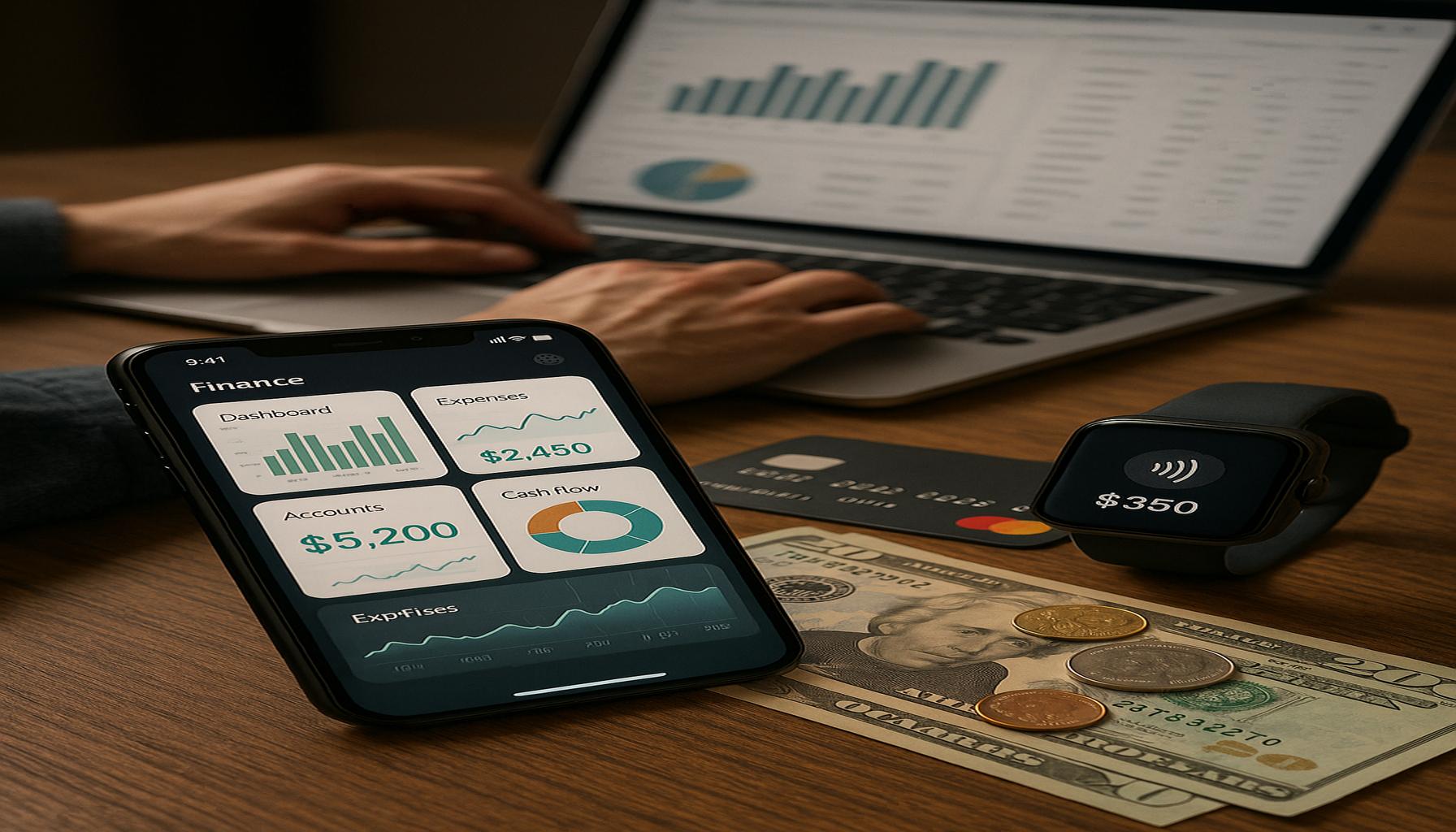
Embracing Financial Control Through Technology
In a world increasingly driven by technology, the importance of managing personal finances effectively has become more crucial than ever. Technology opens a gateway to transforming your financial status into a realm where achievements extend beyond mere dreams—where financial wellness is tangible and attainable.
Imagine waking up each day knowing your financial situation is under control. This is not just a fantasy; with the right tools, you can genuinely take charge of your monetary life. The advent of innovative digital solutions has made it simpler for individuals from all walks of life to access, understand, and manage their finances effectively.
One pivotal resource is budgeting apps. These platforms, such as Mint and You Need a Budget (YNAB), empower users to effortlessly track spending patterns, categorize expenses, and create personalized budgets. For instance, YNAB employs a unique “give every dollar a job” philosophy, encouraging users to plan their spending in advance, leading to greater financial discipline. This approach not only helps in monitoring expenses but also instills a mindset of proactive financial management.
Another area benefiting from technology is investing. With platforms like Robinhood and Acorns, even those new to investing can dive into the world of stocks and ETFs with confidence. Robinhood is particularly popular for its user-friendly interface and commission-free trading, appealing to a younger demographic eager to grow their financial knowledge. Meanwhile, Acorns helps users start investing by automatically rounding up purchases to invest spare change, making it a fun and painless way to build wealth over time.
Moreover, expense trackers such as Expensify are invaluable for both personal and professional use. These applications simplify the meticulous process of tracking expenses, allowing users to easily log receipts and categorize spending. This capability is especially useful for freelancers or business owners who need to keep accurate records for tax purposes. The convenience of scanning receipts and categorizing expenses on the go transforms an often tedious task into a seamless experience.
By harnessing these technology-driven solutions, you are embarking on a journey toward financial stability and independence. With each small step taken—be it creating your budget, making your first investment, or diligently tracking expenses—you are building a foundation for your financial future. As you foster your financial literacy and engage with these tools, remember that every positive action contributes significantly to your overarching goal of achieving financial freedom.
Ultimately, the key is to embrace these advancements with openness and enthusiasm. The digital tools available today are designed not just to enhance your financial control but to empower you to seize your financial destiny. Start exploring these resources today, and take the proactive steps needed to transform your financial aspirations into reality!
Revolutionizing Financial Awareness
The first transformative benefit of technology in money management is enhanced financial awareness. With the proliferation of digital finance tools, individuals can now access a wealth of information about their spending habits and financial situations. Gone are the days when meticulous ledgers and cumbersome spreadsheets were the only means to manage finances. Now, these apps not only provide insights but also encourage users to see their money in a new light—one that emphasizes responsibility and growth.
One of the key ways technology fosters awareness is through real-time notifications. Apps such as Personal Capital and PocketGuard send alerts regarding your spending, bill due dates, and even unusual transactions. This feature is particularly beneficial for those who struggle with impulse spending. By receiving instant feedback, users can reassess their choices and make more informed financial decisions. For instance, if a user receives an alert about an upcoming bill, they can adjust their spending accordingly to avoid an overdraft or last-minute scramble for cash.
Additionally, many of these financial apps come equipped with visual analytics that break down spending categories. Think of pie charts and graphs that provide a vivid illustration of where your money goes each month. This visual representation not only makes the information digestible but also helps highlight areas where one might be overspending. For instance, if a user sees that they are allocating a substantial portion of their budget to eating out, it can inspire a reevaluation of priorities and encourage meal planning at home.
The Convenience of Automated Savings
Alongside awareness, technology also enhances the ease of saving, thanks to innovative automated saving tools. Applications like Digit and Qapital take the guesswork out of saving by analyzing your income and spending patterns, automatically setting aside small amounts of money for you. This strategy removes the burden of conscious saving and allows individuals to accumulate funds without significant effort. It’s like having a financial companion that gently nudges you to save, helping you build a safety net and work toward financial goals.
The beauty of these tools lies in their simplicity. Here are some key features that make automated savings appealing:
- Simplicity: Users can set up their accounts in minutes, with minimal interaction required afterward.
- Customization: Individuals are able to tailor their savings goals—be it for a vacation, an emergency fund, or a new gadget—ensuring personal relevance.
- Visibility: Many apps provide a dashboard view of savings progress, reinforcing motivation and commitment toward reaching those financial milestones.
By integrating these technologies into your daily life, every individual, regardless of their financial background, has the opportunity to experience a shift in mindset and posture toward financial management. Embracing this digital revolution can lead to improved awareness and disciplined saving habits, allowing you to take control of your financial future with confidence and clarity.
Empowering Budgeting and Spending Control
The second pivotal avenue through which technology has transformed money management is the empowerment of budgeting and spending control. In an age where financial literacy is more essential than ever, a plethora of budgeting apps such as YNAB (You Need a Budget) and EveryDollar aims to provide users with the tools to master their personal finances. These applications transcend traditional methods by offering not just a framework for budgeting, but also valuable insights that can foster healthier financial habits.
One of the standout features of modern budgeting tools is their goal-setting capabilities. Users can establish specific financial goals—such as saving for a home or retiring early—and the apps can help strategize the steps needed to achieve these objectives. The element of tracking progress towards these goals is crucial, as it keeps motivation levels high. By visualizing the journey toward financial aspirations, users are encouraged to stay steadfast in their budgeting efforts.
Moreover, these budgeting tools often come with spending trackers that categorize expenses automatically. Imagine you log into your app and see that you’ve spent more on subscriptions than expected this month. This immediate feedback allows users to modify their behaviors at the moment, rather than reviewing their financial status at the end of the month when it may be too late to adjust spending habits. For example, an insight that reveals a user has spent $200 on coffee within a month may prompt them to brew coffee at home instead, redirecting those funds toward savings.
The Role of Financial Education Tools
Beyond budgeting, technology also enhances financial literacy through educational resources integrated within many financial management apps. Platforms like SoFi and Mint not only assist users in managing their money but also educate them about financial principles, investment strategies, and the importance of credit scores. By presenting engaging content and interactive modules, users can learn about managing debt, understanding interest rates, and identifying investment opportunities—all crucial knowledge for thriving financially.
Furthermore, many of these educational tools come with community features, allowing users to share tips and experiences, ask questions, and seek advice from their peers. This fosters a sense of belonging and motivation, as individuals realize they are not navigating this financial journey alone. For example, online forums or integrated chat features allow users to exchange insights on effective budgeting techniques or savings hacks, empowering them to take ownership of their financial destinies.
The impact of this technology-driven approach to budgeting is profound. Individuals are not just tracking their expenses; they are actively engaging with their financial future. The act of budgeting becomes less of a burden and more of an empowering journey that leads to strategic decision-making and increased financial confidence. As you embrace these technological advancements, every new notification or visual representation reaffirms the ability to control your financial narrative and accomplish your dreams.
Conclusion
In an era defined by rapid technological advancements, money management has transformed from a daunting task into a more accessible and achievable endeavor. The proliferation of financial apps and tools empowers users to take charge of their finances with ease and confidence. From budgeting platforms that help track expenses and set achievable goals, to educational resources that foster financial literacy, technology is paving the way for smarter financial choices.
As we embrace this digital landscape, it becomes evident that technology is not merely about managing our finances; it’s about empowering a new generation to cultivate a healthier relationship with money. The ability to visualize financial progress, receive real-time feedback, and engage with a community of peers creates a support system that encourages continuous learning and improvement. This shift significantly reduces the intimidation often associated with money management and instead transforms it into a proactive and motivating journey.
However, it’s essential to remember that while these tools are powerful allies, the true impact lies in our own commitment to developing responsible financial habits. By taking the initiative to learn, adapt, and make conscious decisions, you can harness this technology to not only achieve your financial goals but also to fulfill your dreams of financial independence and security. So, as you navigate your financial journey, let technology be your guide and motivator, reminding you that the power to shape your financial future is very much within your grasp.
Related posts:
How to Build a Good Credit History and Improve Your Score
Tips for Managing Money as a Couple and Avoiding Financial Conflicts in the USA
Financial Planning for Couples: Building a Joint Financial Future
Debt Management: Practical Tips to Balance Your Finances and Reduce Financial Stress
Investing in Sustainability: How Money Management Can Contribute to a Greener Future
Practical Tips to Save Money on Online Shopping

Linda Carter is a writer and financial consultant specializing in economics, personal finance, and investment strategies. With years of experience helping individuals and businesses make complex financial decisions, Linda provides practical analyses and guidance on the AsanTime platform. Her goal is to empower readers with the knowledge needed to achieve financial success.